
How to Structure a Progressive Henna Art Curriculum for Youth or Senior Community Workshops
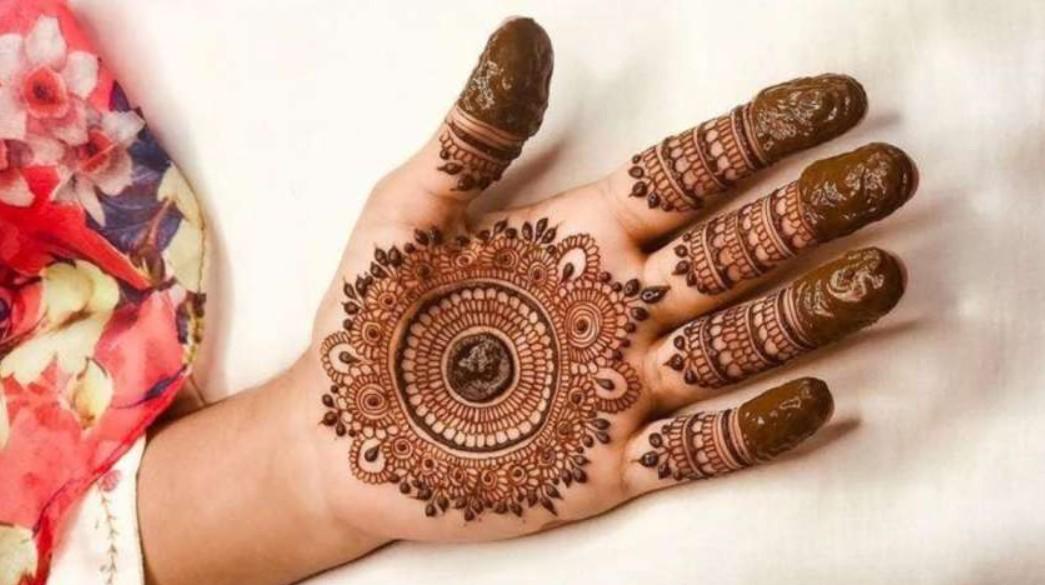
Designing a henna curriculum for community workshops requires a delicate balance between technical skill-building and cultural appreciation. Unlike a standard art class, henna is an ephemeral, tactile medium that carries centuries of tradition. When working with diverse groups—such as energetic youth or contemplative seniors—the educator must adapt their teaching style to meet the specific cognitive and motor needs of the participants. A successful program starts with the basics of cone handling and progresses into complex geometry, ensuring that students feel a sense of accomplishment at every stage.
Tailoring Instruction to Youth and Senior Demographics
The first step in a progressive curriculum is acknowledging the different learning speeds and physical capabilities of your audience. For youth workshops, the focus should be on high-energy, high-contrast designs that allow for quick results. Young learners often have excellent fine motor skills but shorter attention spans, so breaking the curriculum into fifteen-minute "sprints" of practice can keep engagement high. Conversely, when working with seniors, the curriculum should prioritize ergonomics and comfort. Many seniors may deal with arthritis or limited vision, so providing larger cones and focusing on bold, traditional motifs rather than microscopic detail ensures the experience remains enjoyable rather than frustrating. Regardless of the age group, a well-structured henna course provides the instructor with various "modifications" for designs, allowing the art form to be accessible to everyone regardless of their physical dexterity.
Foundational Skills: From Drills to Design Elements
Before a participant ever touches a henna cone to skin, they must understand the flow. The curriculum should begin on acrylic sheets or laminated templates. The initial phase focuses on "The Big Four" of henna: dots, lines, humps, and teardrops. These are the building blocks of every intricate pattern. Students should spend several sessions perfecting the pressure required to maintain a consistent line without breakage. This mechanical repetition is essential for building muscle memory. Once these drills are mastered, the curriculum moves into combining these elements into simple flowers or vines. Many instructors find that discussing What mindfulness or meditation practices can be integrated into the henna application process? helps students focus on their breathing during these repetitive drills, turning the mechanical act of drawing into a calming, therapeutic exercise that reduces the "shaky hand" syndrome common in beginners.
The Cultural Narrative and Ethical Sourcing
A progressive curriculum is not just about the "how" but also the "why." As students move into intermediate levels, the curriculum should introduce the history and regional variations of henna art, from the bold patterns of North Africa to the intricate lace-work of the Gulf and the dense floral motifs of India. Educators must emphasize the importance of using 100% natural henna and the dangers of "black henna" chemical dyes. Teaching students how to mix their own paste using essential oils and sugar is a transformative part of the learning process. It connects them to the chemistry of the plant and ensures they are practicing the craft safely. A comprehensive henna course usually includes a deep dive into these safety protocols, which are vital when running public workshops where the health and safety of community members are the top priority.
Advanced Composition and Creative Expression
As the workshop series reaches its final stages, the curriculum should shift from imitation to creation. At this level, students learn about "negative space" and "focal points"—concepts that turn a simple doodle into a professional-looking piece of body art. Students are encouraged to develop their own "signature style," blending the traditional elements they have learned with their own artistic preferences. For youth, this might mean incorporating modern, minimalist shapes; for seniors, it might mean recreating patterns from their own cultural heritage or memories. This stage of the curriculum is where the artist truly finds their voice. Advanced concepts like symmetry and body flow are complex, and many students at this stage realize that a formal henna course is the best way to bridge the gap between a hobbyist and a professional artist who can handle bridal bookings or large-scale events.
Mentorship and the Culminating Showcase
The final step in a community henna curriculum is the transition from student to practitioner. A progressive program should end with a "Showcase Day," where participants apply henna on one another or on guests. This builds confidence and reinforces the social aspect of the art form. For the instructor, this is an opportunity to observe how students handle the pressure of working on a living, moving canvas. It is also the perfect time to discuss the business ethics of henna, such as pricing and client communication.

 English
 French
 Spanish
 Portuguese
 Deutsch
 Turkish
 Dutch
Dutch
 Italiano
 Russian
 Romaian
 Portuguese (Brazil)
 Greek
Greek