
Can Chemical Peels Minimize Pores? Here’s the Truth
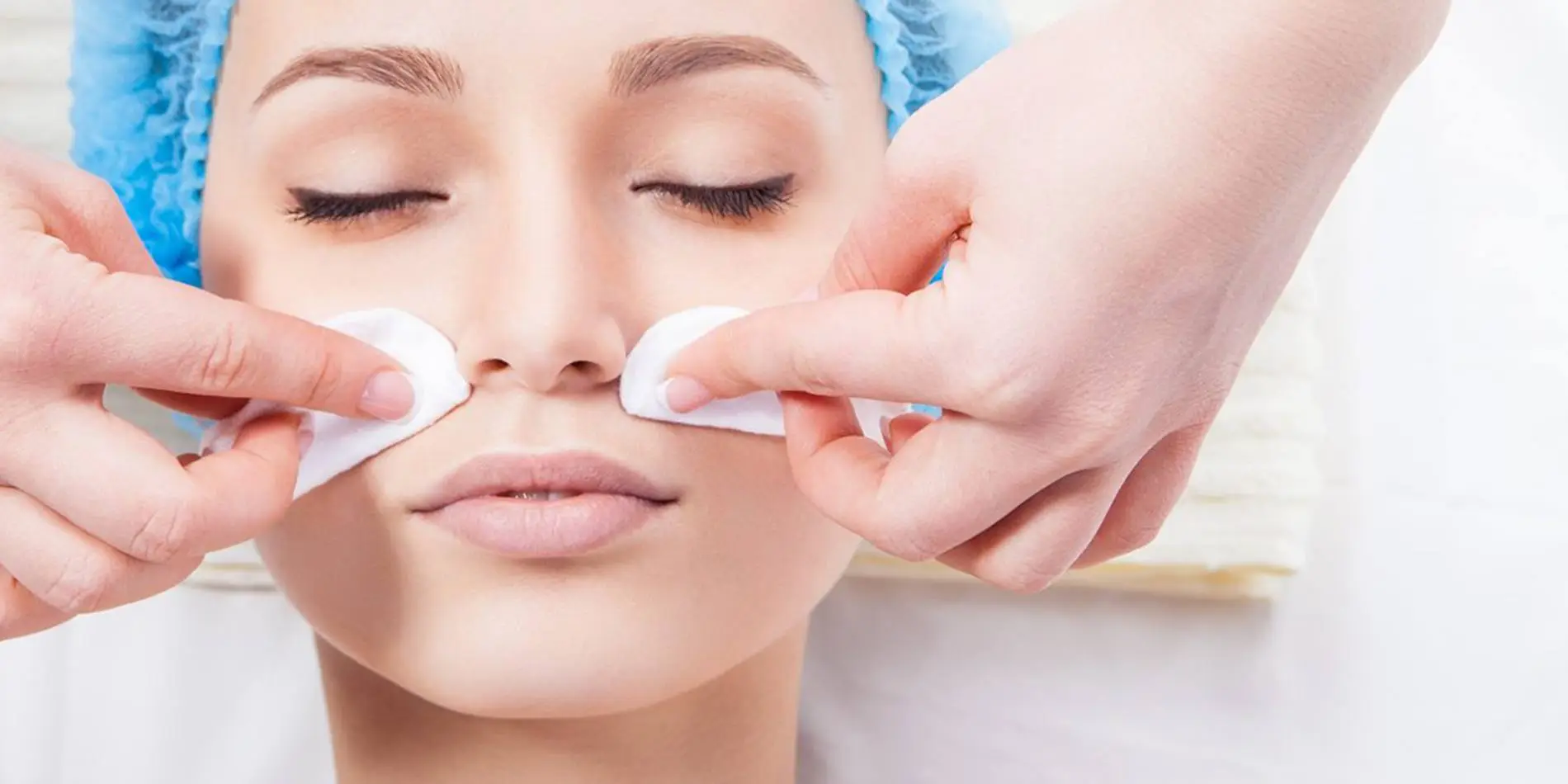
Enlarged pores are a common skincare concern that can make the skin appear uneven and less smooth. Many people wonder if chemical peeling can help minimize pores while improving overall skin texture. This cosmetic treatment works by exfoliating dead skin cells, stimulating collagen production, and promoting cell renewal, which can help refine the appearance of pores over time. Understanding how chemical peels work and what to expect allows patients to make informed decisions about their skincare routine.
How Chemical Peeling Works:
Chemical peeling involves applying a chemical solution to the skin to remove the damaged outer layers. This controlled exfoliation encourages cell turnover and stimulates collagen production, which can improve skin texture and tone. Depending on the peel’s depth—superficial, medium, or deep—results can vary, but even mild peels often help smooth the skin and refine pores.
Why Enlarged Pores Occur:
Understanding why pores appear enlarged helps explain how chemical peeling can be effective:
-
Excess sebum production clogs pores, making them more visible
-
Dead skin cells accumulate around the pore opening
-
Loss of skin elasticity due to aging or sun damage causes pores to stretch
-
Acne scars or blackheads can exaggerate pore appearance
Addressing these underlying causes through exfoliation and collagen stimulation helps achieve a more refined look.
Superficial Peels for Pore Minimization:
Superficial chemical peels are gentle treatments that work on the top layer of skin:
-
Utilize mild acids such as glycolic acid, lactic acid, or salicylic acid
-
Reduce buildup of dead skin cells that clog pores
-
Improve skin texture and brightness over multiple sessions
-
Minimal downtime, making them suitable for sensitive skin or routine maintenance
Superficial peels are an excellent starting point for individuals seeking subtle pore refinement.
Medium Peels for Deeper Refinement:
Medium-depth peels penetrate further into the skin to target more pronounced textural issues:
-
Commonly use trichloroacetic acid (TCA) or stronger AHA concentrations
-
Reduce the appearance of larger pores and fine lines
-
Improve skin elasticity through collagen stimulation
-
Require a few days of peeling and redness for recovery
Medium peels are ideal for patients with visibly enlarged pores and uneven texture seeking noticeable results.
Benefits of Chemical Peeling for Pores:
Chemical peels offer multiple advantages for improving the appearance of pores:
-
Exfoliate dead skin cells that clog pores
-
Stimulate collagen and elastin to tighten skin
-
Reduce excess sebum production over time
-
Smooth overall skin texture for a refined, radiant look
-
Enhance absorption of skincare products for ongoing benefits
With regular treatments, chemical peeling can help pores appear smaller and skin healthier.
Preparing Your Skin for a Peel:
Proper preparation ensures the peel works effectively and safely:
-
Avoid harsh exfoliants or retinoids for at least two weeks before treatment
-
Keep skin hydrated with gentle moisturizers
-
Limit sun exposure and apply sunscreen daily
-
Inform your provider about medications, allergies, or recent skin procedures
Preparation minimizes irritation and maximizes results for pore refinement.
What to Expect During Treatment:
During a chemical peel session focused on pore minimization:
-
Skin is cleansed and prepped to remove oils and impurities
-
Protective measures are applied to sensitive areas such as eyes and lips
-
The chemical solution is applied evenly and monitored carefully
-
Neutralization occurs if necessary, followed by application of soothing moisturizers
Patients may feel tingling, warmth, or mild stinging, which is normal and temporary.
Recovery and Aftercare:
Recovery depends on the strength of the peel:
-
Superficial Peels: Minor redness or flaking, recovery within 1–3 days
-
Medium Peels: Peeling and redness for several days, results visible within a week
-
Post-care guidelines include gentle cleansing, daily moisturization, and sunscreen use
Following aftercare instructions helps maintain results and reduces the risk of irritation or hyperpigmentation.
Frequency and Maintenance:
Consistent treatments and maintenance improve long-term results:
-
Superficial peels: every 4–6 weeks for gradual improvement
-
Medium peels: every 2–3 months for more pronounced effects
-
Ongoing skincare routines, including hydration and sun protection, help sustain benefits
Regular sessions help refine pores, improve texture, and maintain overall skin health.
Choosing a Professional Provider:
Professional expertise is essential for safe and effective chemical peeling:
-
Licensed dermatologists or certified skincare specialists
-
Properly equipped, clean facilities
-
Verified reviews and documented before-and-after results
-
Personalized consultation to determine the best peel type and strength
Professional guidance ensures the peel targets enlarged pores safely while delivering maximum skin benefits.
Final Thoughts
Chemical peeling can be an effective solution for minimizing the appearance of pores while improving overall skin texture and radiance. By exfoliating dead skin cells, stimulating collagen production, and reducing excess oil, peels help create a smoother, more refined complexion. Choosing the appropriate peel strength, preparing the skin, and following professional aftercare are critical to achieving optimal results. With consistent treatments and expert supervision, chemical peeling can help patients enjoy smaller-looking pores and healthier, rejuvenated skin.

 English
 Arabic
 French
 Spanish
 Portuguese
 Deutsch
 Turkish
 Italiano
 Russian
 Romaian
 Portuguese (Brazil)
 Greek
Greek