
Adaptable Cap Production with Compression Machines
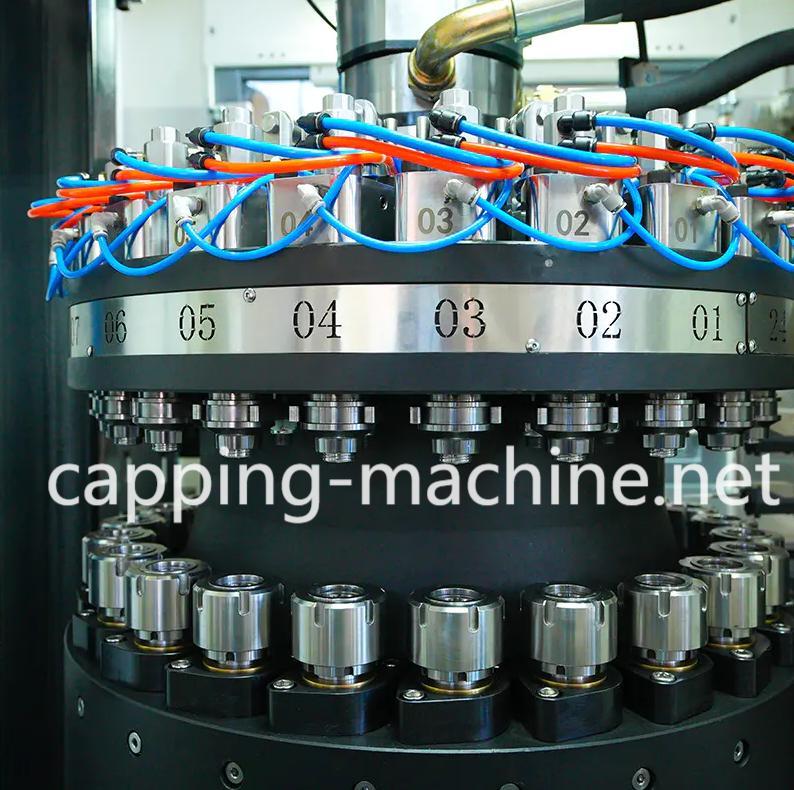
As packaging formats continue to diversify, manufacturers are under pressure to deliver consistent quality across multiple industries while maintaining flexible production capabilities. In this context, the adoption of Cap Compression Molding Machine solutions has become a strategic response to shifting market expectations, especially where product variation, material efficiency, and stable output are required simultaneously.
Different industries impose distinct requirements on cap production. Beverage packaging prioritizes high-speed cycles and uniform sealing performance to support mass distribution. Food containers demand hygienic processing conditions and dimensional accuracy to ensure compatibility with automated filling lines. Personal care and household chemical packaging often introduce customized shapes, colors, or functional features, which place greater emphasis on process adaptability. Compression molding systems are well suited to these varied demands because they offer controlled material flow and precise mold replication without excessive reconfiguration.
One of the most notable application advantages lies in lightweight cap production. Many brand owners seek to reduce material usage while preserving functional strength, driven by sustainability targets and cost optimization. Compression molding enables accurate dosing of polymer material, allowing manufacturers to fine-tune wall thickness and structural reinforcement. This capability supports lightweight designs without compromising closure integrity, particularly in high-volume consumer goods sectors.
In pharmaceutical and healthcare-related packaging, consistency and reliability are critical. Caps must meet stringent dimensional tolerances to ensure tamper evidence and product safety. Compression molding processes provide stable cavity filling and controlled cooling, which reduce internal stress and deformation. These characteristics help manufacturers maintain repeatable quality across long production runs, even when dealing with specialized resins or regulatory requirements.
Another expanding application scenario involves multi-material and color-sensitive caps. Decorative elements, brand differentiation, and functional layering are increasingly common in premium packaging. Compression molding systems accommodate these trends by supporting precise temperature management and predictable material behavior. As a result, surface finish and color distribution remain consistent, reducing visual defects that can affect brand perception at the retail level.
Operational flexibility is equally important in modern factories. Manufacturers serving multiple clients often face frequent mold changes and short production cycles. Equipment that allows efficient transitions between cap types minimizes downtime and energy waste. Compression molding systems are designed with streamlined mold exchange processes and programmable parameters, enabling faster adaptation without extensive recalibration. This flexibility is particularly valuable for contract manufacturers and export-oriented suppliers managing diverse order portfolios.
From a performance standpoint, compression molding also enhances production stability in challenging environments. Facilities operating under fluctuating power conditions or temperature variations benefit from systems that maintain consistent processing parameters. Reduced sensitivity to external variables helps ensure predictable output quality, supporting on-time delivery and customer satisfaction across different markets.
Taizhou Chuangzhen Machinery Manufacturing Co., Ltd. has aligned its equipment development with these evolving application needs. By emphasizing modular design concepts and adaptable control systems, the company supports manufacturers seeking to serve multiple industries without investing in separate production lines. This approach reflects a broader understanding that versatility is now a core performance metric, not an optional feature.
As packaging applications continue to expand in scope and complexity, manufacturers require equipment capable of bridging efficiency, adaptability, and quality assurance. The Cap Compression Molding Machine plays a central role in this transition, enabling producers to respond effectively to diverse market scenarios while maintaining operational control. To explore more insights into application-driven compression molding solutions, visit https://www.capping-machine.net .

 English
 Arabic
 French
 Spanish
 Portuguese
 Deutsch
 Turkish
 Dutch
Dutch
 Italiano
 Russian
 Romaian
 Greek
Greek