
Marine Pipe Insulation Materials for Corrosion Safety
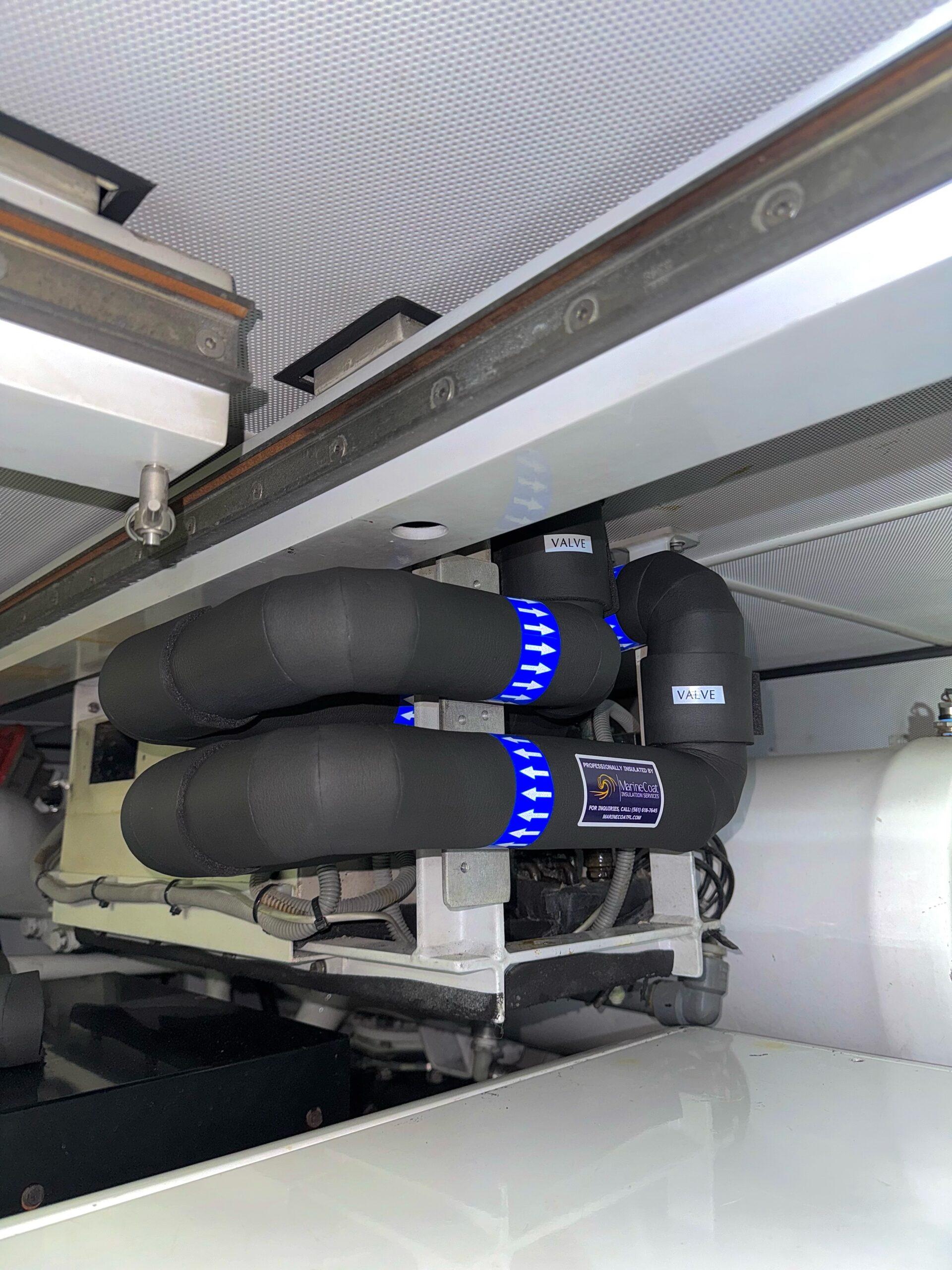
Marine vessels and offshore platforms operate within relentlessly aggressive surroundings where salt mist, humidity saturation, and chemical exposure accelerate structural decay. Within the first stages of system planning, marine pipe insulation becomes a defensive barrier that preserves mechanical integrity while ensuring crew safety. Ship operators increasingly collaborate with specialized marine insulation companies to secure materials that resist oxidation, thermal loss, and fire propagation without compromising operational reliability.
The maritime sector demands insulation solutions that outperform terrestrial standards. Beyond thermal retention, insulation must counter electrochemical reactions, vibration fatigue, and confined-space hazards. Selecting advanced materials is no longer optional; it is a compliance-driven necessity aligned with international maritime safety codes.
Environmental Stressors Affecting Marine Piping Networks
Salt-laden atmospheres initiate rapid corrosion on unprotected metallic conduits. Condensation accumulation beneath insulation layers often leads to concealed deterioration, commonly referred to as corrosion under insulation. Marine pipe insulation must therefore exhibit hydrophobic behavior while maintaining structural coherence during thermal cycling.
Mechanical shock from wave impact and propulsion vibration further complicates material selection. Progressive marine insulation companies now engineer composite insulation systems that remain dimensionally stable despite continuous kinetic stress, reducing microfracture formation within protective layers.
Advanced Insulation Materials Used in Maritime Settings
Mineral Wool with Enhanced Binders
Modified mineral wool formulations are treated with marine-grade binders that inhibit moisture ingress. These fibers tolerate extreme temperature variance while resisting saline penetration. When installed correctly, such systems contribute significantly to corrosion mitigation and acoustic dampening across engine compartments.
Elastomeric Closed-Cell Foams
Closed-cell elastomers present exceptional vapor resistance, making them suitable for chilled water and fuel transfer lines. Their flexibility simplifies installation around complex geometries common in ship piping corridors. Marine pipe insulation utilizing elastomeric compounds reduces the probability of trapped condensation, a primary corrosion catalyst.
Calcium Silicate for High-Temperature Zones
Exhaust ducts and steam conduits demand insulation capable of enduring elevated thermal loads. Calcium silicate boards provide rigidity, fire resistance, and minimal shrinkage under sustained heat exposure. Many marine insulation companies specify this material for compliance with SOLAS fire safety requirements.
Protective Jacketing and Coating Systems
Insulation effectiveness depends heavily on external jacketing. Aluminum alloys, stainless steel cladding, and polymer-laminated sheaths act as physical shields against mechanical abrasion and chemical splashes. In corrosive marine zones, multi-layer jacketing paired with sealant tapes prevents capillary moisture migration.
Epoxy-based coatings applied beneath insulation layers further enhance corrosion resistance. This layered defense strategy is frequently recommended by marine insulation companies during retrofitting projects where legacy piping exhibits surface degradation.
Fire Safety and Regulatory Alignment
Maritime insulation materials must satisfy stringent flame spread and smoke emission benchmarks. Non-combustible compositions reduce fire load within confined vessel spaces, safeguarding evacuation routes and critical systems. Marine pipe insulation designed for fire endurance supports compliance with IMO FTP Code standards.
Toxicity suppression is equally vital. Modern formulations limit hazardous gas release during combustion events, protecting crew members during emergency response scenarios.
Installation Precision and Lifecycle Performance
Material selection alone does not guarantee longevity. Installation methodology determines whether insulation performs as intended. Precision cutting, vapor barrier continuity, and sealed penetrations are essential to prevent moisture intrusion. Leading marine insulation companies invest in technician training programs that emphasize these procedural details.
Lifecycle assessments reveal that properly installed systems reduce maintenance intervals and operational downtime. Over extended service periods, optimized marine pipe insulation delivers measurable cost efficiency by minimizing corrosion-related repairs.
Sustainability and Material Innovation
Environmental accountability now influences insulation procurement. Recyclable fibers, low-VOC binders, and extended service life contribute to reduced environmental impact. Several marine insulation companies actively develop eco-engineered materials that align with green shipping initiatives while maintaining corrosion resistance.
Emerging aerogel-enhanced composites illustrate this innovation trajectory. These ultra-light materials offer superior thermal performance with minimal thickness, making them suitable for space-restricted marine installations.
Future Outlook for Marine Insulation Systems
As maritime engineering evolves, insulation systems will increasingly integrate sensor technology for real-time condition monitoring. Moisture detection and temperature analytics embedded within marine pipe insulation will allow predictive maintenance, extending asset lifespan and enhancing safety metrics.
In conclusion, corrosion-resistant insulation materials represent a foundational element of marine infrastructure resilience. Through strategic collaboration with experienced marine insulation companies, vessel operators can deploy insulation systems that safeguard piping networks, protect personnel, and ensure regulatory conformity within the world’s most unforgiving operational environment.

 English
 French
 Spanish
 Portuguese
 Deutsch
 Turkish
 Dutch
Dutch
 Italiano
 Russian
 Romaian
 Portuguese (Brazil)
 Greek
Greek