
Arc Raiders Assorted Seeds: How to Get Them
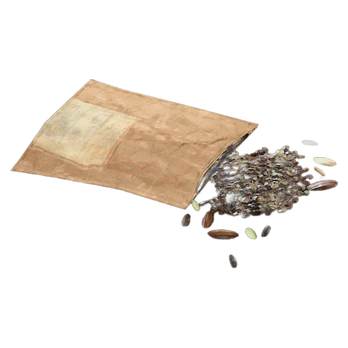
What Are Assorted Seeds?
Assorted Seeds are a Nature-based item in Arc Raiders, classified as Common. You can carry up to 100 per stack, and each seed weighs 0.05 units, so they’re easy to hoard without slowing down your movement.
Functionally, these seeds cannot be recycled, which is an important distinction because many Nature items can be broken down for other resources. Instead, Assorted Seeds are mainly used as currency to trade with Celeste. If you’ve seen her in-game, she often asks for these to complete quests or get special items.
Because of their trading role, some players also buy and sell them in the in-game market. You might even see listings under arc raiders items for sale if you’re looking to quickly stock up without scavenging.
Where Can You Find Assorted Seeds?
In practice, most players gather Assorted Seeds through scavenging and salvaging. There are a few reliable locations and containers:
-
Fridges – Often overlooked, but fridges can spawn multiple Nature items.
-
Lockers – Green and Red Lockers are prime spots; Green Lockers are more common, while Red Lockers sometimes contain better quantities.
-
Seed Drawer Boxes and Seed Vaults – These are designed specifically to hold seeds, so if you see one, prioritize it.
-
Wicker Baskets – Small, portable containers that frequently respawn seeds.
Additionally, you can get seeds by recycling or salvaging other Nature items. For example, items like Agave, Apricot, Candleberries, or Moss will yield seeds when processed. Most players who are efficient about this will check any Nature item they find and decide whether it’s worth recycling for a quick seed gain. Even fertilizer, herbal bandages, or roots can contribute small amounts. In practice, the return is modest per item, but if you’re methodical, it adds up.
How Does Salvaging vs. Recycling Work?
Understanding the difference between salvaging and recycling is key:
-
Recycling: Breaks down items into raw materials or Assorted Seeds. The output can vary. For example, recycling an Apricot gives 3 seeds, while recycling Candleberries gives 2.
-
Salvaging: Returns a smaller amount but preserves part of the original item. For instance, salvaging Great Mullein gives 1 seed, which is less than recycling.
Most experienced players lean toward recycling if their goal is maximum seed acquisition, and only salvage if they also need parts from the item itself.
How Many Seeds Can You Collect at Once?
Because Assorted Seeds stack up to 100, it’s possible to carry a full stack without worrying too much about inventory space. If you’re scavenging, focus on filling your stack before moving on. Many players keep a mental checklist of the containers and Nature items in each area, returning periodically when they respawn.
Tips for Efficient Seed Farming
From my experience, there are a few practical ways to maximize your seed intake:
-
Plan Your Route – Focus on areas with multiple seed sources in proximity. For example, a small base with lockers and a Seed Drawer Box is better than spreading yourself across unrelated areas.
-
Prioritize Recycling – Any Nature item you can recycle is worth it if you need seeds. Don’t leave small items behind.
-
Check Wicker Baskets Often – They respawn more frequently than some lockers, so revisiting them on loops can give a steady stream of seeds.
-
Use Seeds Wisely – Trading with Celeste is their primary use. Don’t hoard excessively unless you plan to buy items from other players.
Do Seeds Sell Well?
While seeds themselves aren’t rare or high-value, there is still a market for them. Some players buy them directly instead of scavenging. That means if you’re looking to quickly accumulate resources for Celeste trades, you can check arc raiders items for sale listings and purchase seeds instead of gathering. In practice, this is useful for players who prefer quest progression over farming.
Common Misconceptions About Assorted Seeds
-
Seeds are not crafting materials – Unlike other Nature items, you cannot use them to craft new items. Their purpose is purely trade-related.
-
They don’t degrade – Assorted Seeds do not spoil or break, so keeping a stack in your inventory is safe.
-
Not all Nature items give seeds – Some Nature items like certain quest-specific herbs do not recycle into seeds. Focus on common items like Agave, Apricot, Moss, and Prickly Pear for predictable yields.
In Arc Raiders, Assorted Seeds are a simple but essential resource if you want to interact with Celeste efficiently. You can get them by scavenging containers like fridges, lockers, and seed-specific boxes, or by recycling other Nature items. While each individual source gives a small amount, methodical players can accumulate stacks quickly. For those short on time, the in-game market and listings of arc raiders items for sale provide a shortcut.
Focusing on these strategies ensures that you always have seeds available when Celeste needs them, without wasting inventory space or time chasing uncommon spawns. The key is consistent scavenging, smart recycling, and knowing when to buy instead of farm.
System Guide: Get Instant ARC Raiders Coins at U4N

 English
 Arabic
 French
 Spanish
 Portuguese
 Deutsch
 Turkish
 Dutch
Dutch
 Italiano
 Russian
 Romaian
 Portuguese (Brazil)