
Enhanced Oil Recovery: Unlocking the Hidden Potential of Mature Fields
Introduction
The Enhanced Oil Recovery (EOR) market plays a crucial role in maximizing extraction from mature oil fields by improving recovery efficiency beyond conventional methods. As global energy demand remains high and easily accessible reserves decline, EOR technologies are becoming increasingly vital for maintaining oil supply and ensuring energy security. These techniques, which include thermal, chemical, and gas injection processes, help recover trapped hydrocarbons that traditional methods cannot access. The growing focus on maximizing existing resources, coupled with technological advancements, positions the EOR market as a strategic solution in the evolving energy landscape.
Understanding the Market
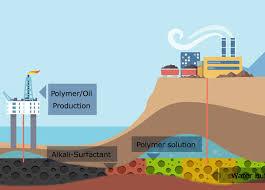
Enhanced Oil Recovery involves advanced techniques that increase the amount of crude oil that can be extracted from a reservoir. Primary and secondary recovery methods typically yield only 30–40% of the original oil, while EOR methods can boost recovery by an additional 30–60%. The global EOR market is segmented by technology type—thermal recovery, gas injection (CO₂, nitrogen, and natural gas), and chemical injection (polymers, surfactants, and alkaline agents). North America dominates the market, driven by large-scale implementation of CO₂-EOR in the United States. The Middle East, Latin America, and Asia-Pacific are also investing in EOR projects to revitalize aging oil fields and optimize production capacity.
Technological Innovations
The EOR industry is undergoing a major transformation with the integration of digitalization, nanotechnology, and carbon management solutions. Advanced CO₂-EOR projects not only enhance oil recovery but also serve as a carbon capture and storage (CCS) method, aligning with global decarbonization goals. Innovations such as smart chemical formulations, hybrid EOR systems, and microbial EOR (MEOR) are improving efficiency while reducing environmental impact. The use of reservoir simulation models powered by artificial intelligence (AI) and machine learning allows operators to predict fluid flow, optimize injection rates, and enhance operational performance. Additionally, advancements in horizontal drilling and seismic imaging technologies have increased the precision and success rate of EOR operations.
Market Growth and Future Outlook
The global EOR market is poised for significant growth, fueled by increasing energy consumption, declining conventional oil production, and government incentives for carbon reduction. With global oil prices stabilizing and production costs becoming more manageable, investments in EOR are gaining traction. North America, particularly the U.S., remains at the forefront of CO₂-based EOR, while Middle Eastern nations such as Oman, Saudi Arabia, and the UAE are accelerating thermal and chemical EOR initiatives. The growing emphasis on sustainable oil recovery and the integration of carbon management strategies indicate that EOR will play an essential role in the future of the oil industry. The market is expected to expand further as companies explore hybrid and low-emission recovery systems to meet both economic and environmental goals.
Challenges and Opportunities
While EOR offers substantial benefits, several challenges hinder its widespread adoption. High operational costs, complex reservoir characteristics, and limited availability of CO₂ in certain regions pose significant barriers. Additionally, environmental concerns related to water usage and chemical disposal need to be addressed. However, these challenges are driving innovation and investment in cleaner, more efficient EOR techniques. Opportunities lie in coupling EOR with carbon capture, utilization, and storage (CCUS) systems to create a circular carbon economy. Emerging economies with vast untapped reserves present new frontiers for market expansion, while advancements in digital oilfield technologies continue to improve process control and cost-effectiveness.
Conclusion
In conclusion, the Enhanced Oil Recovery market stands at the intersection of technological innovation, sustainability, and energy security. By maximizing extraction efficiency from existing fields, EOR helps reduce dependence on new drilling and supports global emission reduction goals through carbon sequestration initiatives. As the energy transition progresses, EOR technologies will continue to evolve, integrating data-driven analytics, advanced materials, and green chemistry to achieve both operational and environmental excellence. The future of EOR lies in innovation, collaboration, and sustainable implementation across the global oil and gas value chain.

 English
 Arabic
 French
 Spanish
 Deutsch
 Turkish
 Dutch
Dutch
 Italiano
 Russian
 Romaian
 Portuguese (Brazil)
 Greek
Greek