
Relays Enhancing Energy Efficiency in Buildings
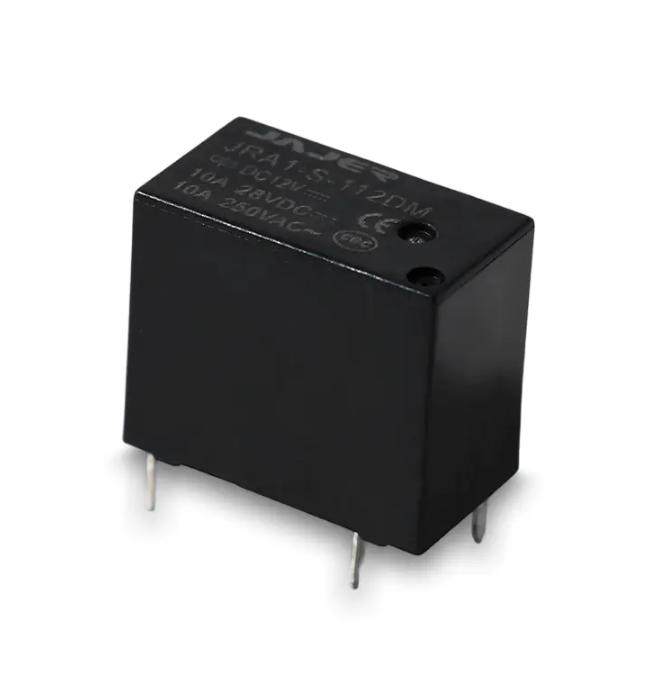
Heating, ventilation, and air conditioning (HVAC) systems require precise switching and control for optimal performance. A General Purpose Power Relay can handle loads such as fans, compressors, and heaters, typically rated for 10A at 240V AC. These relays simplify wiring and control, allowing HVAC systems to respond quickly to sensor inputs.
Electrical Control Relay is often used to automate lighting, fan coils, and safety interlocks in building management systems. Standard coil voltages include 24V DC and 230V AC, and contact configurations like DPDT allow multiple circuits to be switched simultaneously.
Relays in HVAC applications ensure safety by isolating low-voltage control circuits from high-power devices. For instance, a low-voltage thermostat signal can trigger a general-purpose relay to control a 3kW heater without direct operator contact. Furthermore, these relays provide operational endurance for frequent on-off cycles common in climate control systems.
Design considerations include switching speed, voltage drop, and mechanical endurance. Electrical control relays in HVAC applications typically have a rated life of several million cycles and operate reliably under temperature ranges from -40°C to 70°C. By integrating relays, building automation systems achieve precise control, energy efficiency, and improved occupant comfort.

 English
 Arabic
 Spanish
 Portuguese
 Deutsch
 Turkish
 Dutch
Dutch
 Italiano
 Russian
 Romaian
 Portuguese (Brazil)
 Greek
Greek