
Common Challenges in B2B Marketing and How Businesses Solve Them
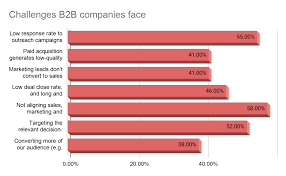
Explore Common Challenges in B2B Marketing and How Businesses Solve Them
B2B marketing has evolved significantly in the digital era. Businesses no longer rely solely on traditional networking, cold outreach, or industry events to attract clients. Instead, decision-makers now conduct detailed online research before choosing vendors or service providers. They compare solutions, read articles, evaluate expertise, and analyze the credibility of different companies before making a final decision.
While digital transformation has created new opportunities, it has also introduced several challenges for B2B marketers. The buying process has become more complex, customer expectations are higher, and competition in online spaces continues to grow. Businesses must not only attract attention but also build trust, demonstrate expertise, and provide valuable information throughout the entire buyer journey.
Understanding these challenges is the first step toward overcoming them. Companies that recognize common obstacles in B2B marketing can design strategies that address these issues effectively and build stronger connections with potential clients.
Understanding the Complexity of B2B Marketing
Unlike consumer marketing, B2B marketing typically involves longer decision cycles and multiple stakeholders. A single purchase decision may involve managers, executives, financial teams, and technical specialists. Each stakeholder evaluates a solution from a different perspective, making the decision process more detailed and structured.
Because of this complexity, B2B marketing cannot rely on simple promotional messaging. Instead, it must focus on education, trust-building, and long-term engagement. Companies must provide information that helps decision-makers understand how a product or service solves specific business problems.
This complexity makes B2B marketing more challenging but also more rewarding when executed properly. Businesses that invest in thoughtful marketing strategies often build stronger relationships with clients and achieve sustainable growth.
Challenge 1: Identifying and Understanding the Right Audience
One of the most common challenges in B2B marketing is accurately identifying the target audience. Many companies define their audience too broadly, which results in messaging that fails to address specific industry needs.
B2B audiences are often diverse. A single company may need to communicate with decision-makers, operational managers, technical experts, and procurement teams. Each group has unique concerns, expectations, and priorities.
To overcome this challenge, businesses develop detailed buyer personas that represent the roles involved in the purchasing process. These personas include information about job responsibilities, challenges, goals, and decision criteria.
When companies understand their audience deeply, they can create more relevant marketing messages, develop useful content, and design campaigns that speak directly to real business challenges.
Challenge 2: Generating High-Quality Leads
Lead generation is one of the primary goals of B2B marketing, yet it is also one of the most difficult challenges. Many businesses attract website visitors but struggle to convert them into meaningful leads.
This problem often occurs when marketing strategies focus on attracting large amounts of traffic without considering whether that traffic represents potential clients. In B2B marketing, quality is far more important than quantity.
Successful businesses address this challenge by creating targeted marketing strategies that attract the right audience. Educational articles, industry insights, and informative resources help attract decision-makers who are actively researching solutions.
Clear calls to action, informative landing pages, and helpful resources such as guides or case studies also encourage visitors to engage more deeply with a company’s offerings.
Challenge 3: Building Trust and Credibility
Trust plays a critical role in B2B purchasing decisions. Companies often invest significant resources when selecting vendors or service providers, so they must feel confident that they are choosing the right partner.
However, establishing trust online can be challenging, especially for businesses that are relatively new or entering competitive markets.
Companies solve this challenge by demonstrating expertise through valuable content, transparent communication, and consistent branding. Publishing research-based articles, sharing industry insights, and providing case studies can help potential clients see the company as a knowledgeable authority.
Trust also develops through consistent communication and reliable service delivery. Over time, businesses that demonstrate professionalism and expertise naturally build stronger reputations within their industries.
Challenge 4: Managing Long Sales Cycles
B2B sales cycles are typically longer than consumer purchasing processes. Decision-makers may spend weeks or even months researching solutions, comparing vendors, and evaluating options before making a final decision.
This extended timeline can create frustration for marketing teams that expect faster results from their campaigns.
Businesses overcome this challenge by developing marketing strategies that nurture leads over time. Instead of focusing only on immediate conversions, they provide educational content that supports prospects throughout the decision-making process.
Email newsletters, informative articles, webinars, and case studies help maintain engagement and keep the company visible during the research phase.
When businesses consistently provide valuable information, they remain top-of-mind when prospects are ready to move forward with a purchase.
Challenge 5: Standing Out in Competitive Markets
Digital platforms have made it easier for businesses to reach global audiences, but they have also increased competition. Many industries now have numerous companies offering similar products or services, making differentiation more difficult.
To stand out, businesses must clearly communicate what makes their solutions unique. This requires strong positioning, well-defined messaging, and consistent branding.
Some organizations collaborate with an experienced B2B SEO Agency to boost online visibility and enhance search performance. By consistently appearing in relevant search results and offering valuable content, a company makes it easier for potential clients to discover and assess its expertise.
Differentiation also comes from providing unique insights, offering specialized solutions, and focusing on customer success rather than simple promotion.
Challenge 6: Creating Consistent and Valuable Content
Content marketing plays a central role in modern B2B marketing strategies. Decision-makers often rely on articles, research reports, and educational resources to understand complex topics before choosing a solution.
However, many businesses struggle to maintain consistent content production. Limited resources, lack of clear topics, or insufficient expertise can make it difficult to create high-quality content regularly.
To address this challenge, companies often develop structured content strategies that align with customer questions and industry trends. Instead of publishing content randomly, they focus on topics that provide meaningful insights for their audience.
A well-planned content strategy ensures that every article contributes to building authority and helping potential clients understand the company’s value.
Challenge 7: Measuring Marketing Performance
Another challenge in B2B marketing is accurately measuring the impact of marketing efforts. Because sales cycles are longer, it may take time to determine whether a campaign is generating meaningful results.
Businesses that rely on limited metrics may struggle to understand which strategies are effective. For example, high website traffic does not always translate into qualified leads or successful conversions.
Companies overcome this challenge by analyzing a variety of performance indicators. These may include engagement metrics, lead quality, conversion rates, and long-term customer relationships.
By regularly reviewing these metrics, businesses can refine their marketing strategies and allocate resources more effectively.
Challenge 8: Aligning Marketing and Sales Teams
In many organizations, marketing and sales teams operate separately. Marketing teams focus on generating leads, while sales teams concentrate on closing deals. When these departments are not aligned, valuable opportunities can be lost.
For example, marketing teams may generate leads that do not match the sales team’s expectations, or sales teams may not follow up effectively with potential clients.
Successful companies address this challenge by encouraging collaboration between marketing and sales departments. Shared goals, regular communication, and consistent lead evaluation processes ensure that both teams work toward the same objectives.
When marketing and sales strategies align, the entire customer journey becomes more efficient and productive.
The Importance of Adaptability in B2B Marketing
The digital landscape continues to evolve rapidly. Search algorithms change, new technologies emerge, and customer expectations shift over time. Businesses that rely on outdated marketing practices often struggle to remain competitive.
Adaptability is therefore essential for long-term success. Companies must regularly evaluate their marketing strategies, experiment with new approaches, and stay informed about industry trends.
Organizations that embrace continuous learning and improvement are better positioned to respond to market changes and maintain strong relationships with their clients.
Conclusion
B2B marketing presents unique challenges, from identifying the right audience to managing long sales cycles and building trust in competitive markets. These challenges can make marketing efforts more complex, but they also create opportunities for businesses that approach them strategically.
Companies that invest in audience research, educational content, data analysis, and collaborative sales processes often achieve stronger results. By addressing these challenges thoughtfully, businesses can create marketing strategies that attract high-quality leads and build lasting client relationships.
Ultimately, successful B2B marketing is not about quick wins or short-term promotions. It is about building credibility, providing meaningful value, and guiding potential clients through a thoughtful decision-making process. Businesses that focus on these principles are more likely to achieve sustainable growth in the digital age.
FAQs
What are the most common challenges in B2B marketing?
Common challenges include identifying the right target audience, generating high-quality leads, managing long sales cycles, creating valuable content, and building trust with potential clients.
Why is lead generation difficult in B2B marketing?
B2B lead generation can be difficult because businesses must attract decision-makers who are actively searching for solutions, rather than general audiences who may only be exploring information.
How do long sales cycles affect B2B marketing strategies?
Long sales cycles require businesses to focus on relationship building and lead nurturing through educational content, consistent communication, and helpful resources over time.
Why is trust important in B2B marketing?
Trust is important because businesses often make large investments when choosing partners or service providers, so they prefer companies that demonstrate expertise, credibility, and reliability.
How can B2B companies stand out in competitive markets?
Businesses can stand out by providing specialized expertise, publishing valuable industry insights, and clearly communicating the unique value of their products or services.
Why is content marketing important for B2B companies?
Content marketing helps educate potential clients, answer industry questions, and position a company as a knowledgeable authority in its field.
How do businesses measure the success of B2B marketing campaigns?
Companies measure success through metrics such as lead quality, engagement levels, conversion rates, and long-term client relationships.
Why should marketing and sales teams work together in B2B companies?
Collaboration between marketing and sales teams ensures that leads are properly qualified and followed up, improving the overall efficiency of the customer journey.
How does digital transformation affect B2B marketing?
Digital transformation has shifted buyer behavior toward online research, making digital visibility, informative content, and strong websites essential for attracting clients.
What role does data play in improving B2B marketing strategies?
Data helps businesses understand customer behavior, evaluate campaign performance, and make informed decisions that improve marketing effectiveness.

 English
 Arabic
 French
 Spanish
 Portuguese
 Turkish
 Dutch
Dutch
 Italiano
 Russian
 Romaian
 Portuguese (Brazil)
 Greek
Greek