
Kunli Aluminum Welding Wire ER5356 for Marine Projects
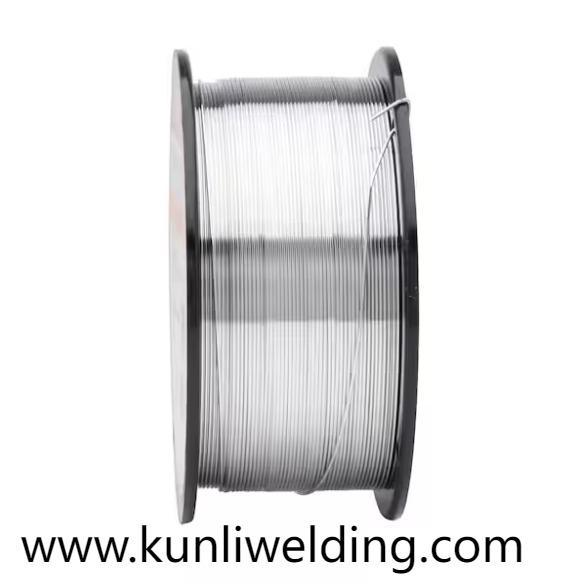
Fabricators frequently encounter decisions between commonly available aluminum filler compositions, each offering distinct characteristics suited to different application requirements. Choosing Aluminum Welding Wire ER5356 over the silicon-containing ER4043 alternative depends on evaluating strength needs, service environment conditions, and base material compatibility. These two compositions represent fundamentally different alloy families, with magnesium-based ER5356 and silicon-enriched ER4043 each bringing unique advantages to specific welding scenarios. Understanding the performance differences helps fabricators match materials to project demands rather than defaulting to familiar options that may not address all requirements.
Strength requirements represent a primary decision factor favoring magnesium-containing compositions. The solid solution strengthening from magnesium content creates weld metal with higher tensile and yield strength compared to silicon-based alternatives. Applications involving structural components, pressure vessels, or load-bearing assemblies benefit from the enhanced mechanical properties magnesium additions provide. When engineers specify minimum weld metal strength exceeding capabilities of silicon-enriched fillers, magnesium-based compositions become necessary to meet structural performance requirements. Projects where welds experience significant operational stresses throughout service life generally favor the strength advantages inherent to magnesium-containing materials.
Corrosion resistance considerations in aggressive service environments often drive selection toward magnesium-based compositions. Marine applications involving salt water exposure, chemical processing equipment, or outdoor architectural installations exposed to industrial atmospheres demonstrate better long-term durability with certain magnesium-containing fillers. The electrochemical characteristics and passive film formation behavior differ between composition types, affecting how materials resist environmental degradation. When projects specify corrosion testing or involve documented exposure to aggressive conditions, evaluating comparative corrosion performance between filler options helps identify appropriate selections for long-term reliability.
Base material compatibility influences which composition proves more suitable for specific fabrication scenarios. Magnesium-containing base alloys commonly used in marine construction, transportation applications, and structural components generally match better with magnesium-based filler materials. The similar alloy families create compatible electrochemical relationships preventing galvanic corrosion at weld interfaces while supporting predictable mechanical property development. When working with base materials from magnesium-containing alloy families, using compositionally similar filler materials maintains consistency throughout welded assemblies.
Anodizing requirements favor magnesium-based selections when cosmetic appearance after surface treatment matters. The anodizing response differs between silicon and magnesium-containing aluminum alloys, with silicon content typically creating darker, grayer tones compared to the lighter shades magnesium alloys produce. Architectural applications or consumer products where visible welds receive anodizing treatment require filler selections creating acceptable color matches with surrounding base metal. Projects specifying anodized finishes should evaluate color compatibility between base materials and available filler options, often leading to magnesium-based selections for better aesthetic outcomes.
Temperature service conditions affect which composition maintains properties more effectively. While both materials function adequately at typical ambient temperatures, elevated service temperatures influence strength retention differently. Magnesium solid solution strengthening maintains effectiveness across wider temperature ranges compared to some alternative strengthening mechanisms. Applications involving sustained elevated temperatures or thermal cycling may favor magnesium-based compositions maintaining structural integrity under thermal exposure.
Ductility requirements in applications experiencing dynamic loading or impact conditions sometimes favor compositions providing better elongation characteristics. The balance between strength and ductility differs among filler types, with selection depending on whether applications prioritize maximum strength or reserve ductility for energy absorption. Projects involving cyclic loading, vibration exposure, or potential impact scenarios benefit from evaluating ductility alongside strength when comparing composition options.
Crack sensitivity in specific base material combinations influences appropriate filler selection. While silicon-enriched compositions offer advantages welding certain heat-treatable alloys, magnesium-based materials prove more suitable for other alloy combinations. Understanding base material crack susceptibility characteristics and how different filler compositions affect solidification behavior guides selection preventing defect formation during fabrication.
Cost considerations sometimes influence selection, though performance requirements should take priority over price differences. The modest cost variations between common filler compositions rarely justify compromising structural or environmental performance. Evaluating total project costs including potential rework, warranty claims, or premature failure consequences typically reveals that appropriate material selection based on technical requirements delivers better overall value than choosing based purely on consumable pricing.
Industry standards and customer specifications may mandate specific compositions for particular applications, eliminating selection decisions in favor of documented requirements. Reviewing applicable codes, standards, and project specifications identifies any mandatory filler selections before conducting independent evaluations.
Understanding these decision factors helps fabricators systematically evaluate whether magnesium-based or silicon-enriched compositions better suit specific project requirements. Additional technical guidance supporting informed material selection remains accessible at https://www.kunliwelding.com/ where detailed composition information and application recommendations help match filler materials to diverse aluminum fabrication requirements across varied industries and service conditions demanding careful attention to strength, corrosion, and compatibility considerations.

 English
 Arabic
 French
 Spanish
 Portuguese
 Deutsch
 Turkish
 Dutch
Dutch
 Russian
 Romaian
 Portuguese (Brazil)
 Greek
Greek