
The Future of Hair Restoration: PRP and Regenerative Medicine
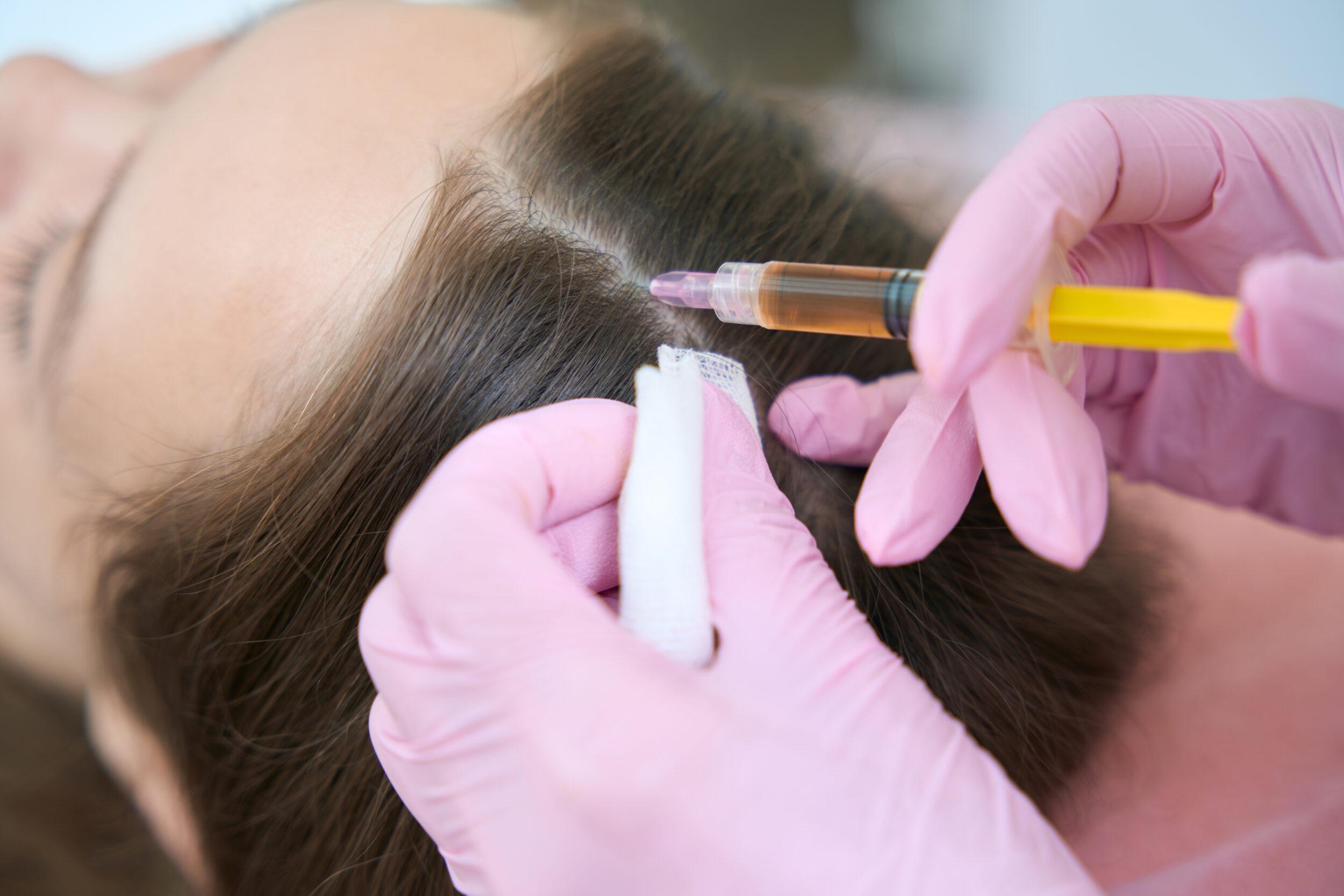
Hair loss is a concern affecting millions of people worldwide, prompting continuous innovation in treatment methods. Among the emerging solutions, PRP Hair Treatment has gained significant attention for its ability to stimulate natural hair growth using the body’s own healing properties. As medical technology advances, regenerative medicine is becoming a powerful force in the field of hair restoration, offering new possibilities that go beyond traditional medications and surgical procedures. Understanding how these modern approaches work can help individuals make informed decisions about managing hair loss effectively.
Understanding Hair Loss and the Need for Advanced Treatments:
Hair loss can result from various factors including genetics, hormonal changes, aging, stress, and certain medical conditions. While common treatments like topical medications or hair transplants have helped many individuals, they do not always provide satisfactory results for everyone. This has led researchers and medical professionals to explore regenerative therapies that focus on repairing and revitalizing hair follicles rather than simply masking the symptoms of hair loss.
Advanced treatments aim to stimulate dormant follicles, improve scalp health, and enhance natural hair growth cycles. Regenerative medicine has opened the door to therapies that harness the body’s own biological mechanisms to promote healing and regeneration. These innovations represent a shift from conventional approaches toward treatments that work at the cellular level.
What Is PRP Therapy and How It Works:
Platelet-Rich Plasma (PRP) therapy is a medical procedure that uses a concentrated form of the patient’s own blood plasma to promote healing and tissue regeneration. In hair restoration, the process involves drawing a small amount of blood, processing it in a centrifuge to isolate the platelets, and injecting the platelet-rich plasma into areas of the scalp experiencing hair thinning or loss.
Platelets contain growth factors that play an important role in tissue repair and cell regeneration. When injected into the scalp, these growth factors may stimulate inactive hair follicles and improve blood supply to the hair roots. The treatment works by supporting the natural hair growth cycle and strengthening existing follicles.
Key characteristics of PRP therapy include:
-
Uses the patient’s own blood, reducing the risk of allergic reactions
-
Minimally invasive and typically performed in outpatient settings
-
Encourages natural hair growth rather than artificial solutions
-
Often combined with other hair restoration strategies for improved results
The Role of Regenerative Medicine in Hair Restoration:
Regenerative medicine focuses on repairing or replacing damaged tissues by stimulating the body’s natural healing abilities. In the context of hair restoration, this field is exploring advanced techniques that can regenerate hair follicles and restore healthy scalp environments.
Researchers are studying various regenerative approaches, including stem cell therapy, growth factor treatments, and tissue engineering. These methods aim to create conditions that support new hair growth or revive weakened follicles that have stopped producing healthy hair strands.
Regenerative therapies offer several potential advantages:
-
Target the underlying causes of hair follicle damage
-
Encourage long-term improvement rather than temporary solutions
-
Support healthier scalp tissue and blood circulation
-
May reduce the need for invasive surgical procedures
As scientific research continues, regenerative medicine may transform how hair loss is treated in the future.
Benefits of PRP Hair Treatments:
Many individuals choose PRP Hair Treatment because it offers a natural and relatively low-risk option for managing hair thinning. Since the treatment relies on the patient’s own biological material, it is generally considered safe when performed by qualified medical professionals.
Patients often report improvements in hair thickness, density, and overall scalp health after undergoing a series of treatments. While results can vary from person to person, the therapy is widely used as a supportive treatment for early-stage hair loss.
Common benefits associated with PRP hair therapy include:
-
Stimulates natural hair growth processes
-
Strengthens existing hair follicles
-
Improves scalp circulation and nourishment
-
Requires minimal recovery time
-
Can complement other hair restoration procedures
These benefits have contributed to the growing popularity of PRP therapy in modern dermatology and aesthetic medicine.
Emerging Innovations in Regenerative Hair Therapies:
The future of hair restoration is closely tied to ongoing research in regenerative medicine. Scientists are actively developing new treatments that may significantly improve outcomes for individuals experiencing hair loss.
Some promising innovations currently under investigation include:
-
Stem Cell–Based Therapies: Using stem cells to regenerate hair follicles and stimulate new growth.
-
Growth Factor Treatments: Advanced formulations that deliver concentrated biological signals to the scalp.
-
Exosome Therapy: Microscopic vesicles derived from cells that may support follicle regeneration.
-
Hair Follicle Cloning: Experimental techniques aimed at creating new follicles for transplantation.
These emerging technologies may eventually provide solutions for individuals who do not respond well to existing treatments. As clinical trials progress, researchers hope to refine these therapies for safe and effective use.
What Patients Should Expect from Treatment:
Individuals considering regenerative hair therapies should first undergo a thorough evaluation by a qualified healthcare provider. The treatment plan typically depends on factors such as the cause of hair loss, the extent of thinning, and the patient’s overall health.
During a typical PRP session, the procedure usually follows several steps:
-
Blood is drawn from the patient
-
The sample is processed to isolate platelet-rich plasma
-
The concentrated plasma is injected into targeted areas of the scalp
-
The session usually takes less than an hour
Multiple sessions are often recommended over several months to achieve optimal results. Patients may gradually notice improvements in hair texture, thickness, and growth over time.
Safety and Considerations for Hair Restoration Treatments:
Although regenerative therapies are generally considered safe, it is important for patients to understand potential limitations and realistic expectations. Not all types of hair loss respond equally well to treatments like PRP therapy, especially in advanced stages of follicle damage.
Patients should consider the following factors before undergoing treatment:
-
Consultation with a qualified dermatologist or hair restoration specialist
-
Understanding that results may take several months to become visible
-
Awareness that maintenance treatments may be necessary
-
Evaluation of overall scalp health and underlying medical conditions
Choosing experienced medical professionals and reputable clinics plays a crucial role in ensuring safe and effective treatment outcomes.
Final Thoughts:
The field of hair restoration is evolving rapidly, with regenerative medicine leading the way toward more natural and effective solutions. Treatments like PRP Hair Treatment demonstrate how the body’s own biological systems can be harnessed to stimulate hair growth and improve scalp health. As research continues to advance, innovative therapies such as stem cell technology and follicle regeneration may redefine the future of hair loss treatment. For individuals seeking modern approaches to hair restoration, these developments offer promising possibilities and renewed hope for healthier, fuller hair.

 English
 Arabic
 French
 Spanish
 Portuguese
 Deutsch
 Turkish
 Dutch
Dutch
 Italiano
 Russian
 Portuguese (Brazil)
 Greek
Greek