
Deep Pallet Racking Load Capacity: What Warehouse Managers Should Know
Introduction
Deep Pallet Racking is widely used in modern warehouses to maximize storage capacity and improve space utilization. Understanding load capacity is essential for safe operations. With reliable solutions from Master Racks Limited, warehouse managers can implement efficient racking systems that support heavy loads while maintaining structural safety.
Understanding Deep Pallet Racking Systems
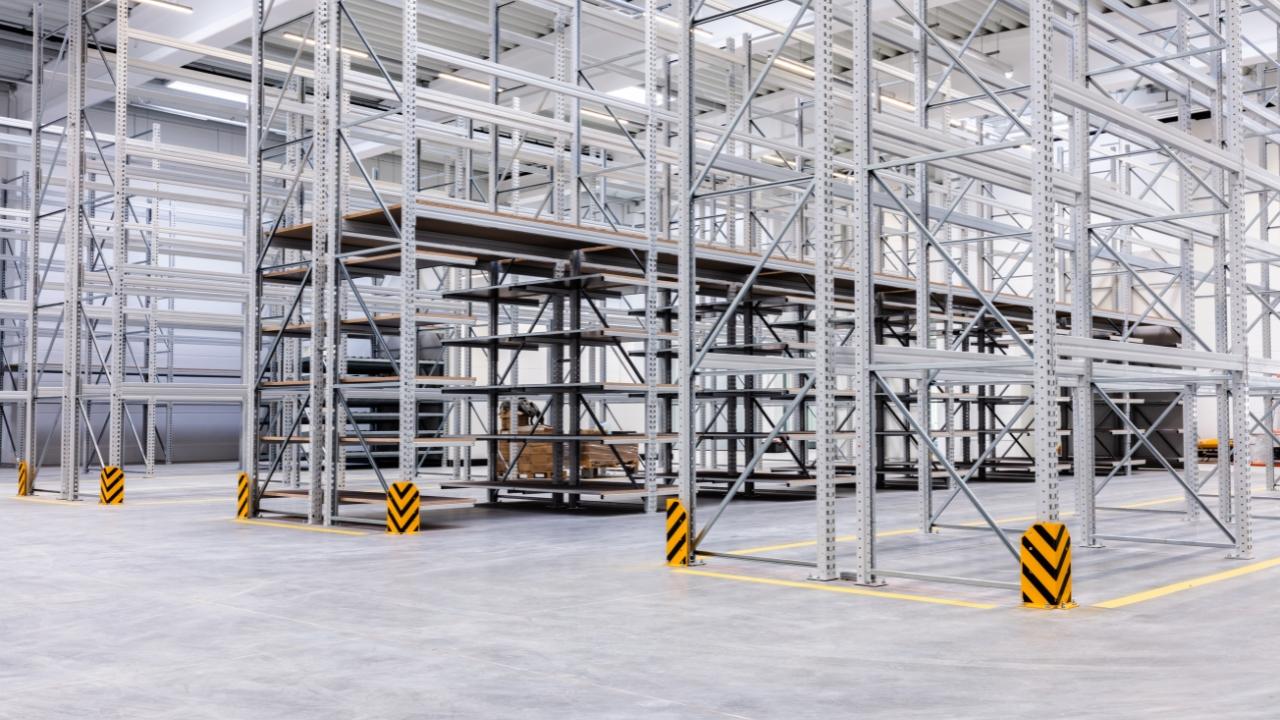
Warehouse storage systems have evolved to support higher inventory volumes and more efficient operations. Deep Pallet Racking is designed to increase storage density by allowing pallets to be stored deeper within rack structures.
Unlike standard racking systems, deep pallet racking enables multiple pallets to be stored behind each other. This configuration reduces aisle space and maximizes storage capacity within the warehouse.
Professional providers such as Master Racks Limited specialize in designing advanced racking systems that support heavy loads while maintaining stability and accessibility.
Why Load Capacity Matters in Warehouse Storage
Load capacity refers to the maximum weight a racking system can safely support. Every rack is engineered with specific weight limits to ensure safe storage operations.
If these limits are exceeded, racks may bend, collapse, or become structurally unstable. This can lead to serious safety risks for workers and damage to stored products.
Proper understanding of Deep Pallet Racking load capacity helps warehouse managers:
-
Maintain safe storage environments
-
Protect warehouse staff and equipment
-
Prevent structural damage
-
Ensure long-term performance of storage systems
Storage experts like Master Racks Limited emphasize careful planning and engineering when designing racking systems for heavy loads.
Key Components That Determine Load Capacity
Several structural components influence the weight capacity of a racking system. Understanding these components helps warehouse managers make informed decisions about storage.
Upright Frames
Upright frames form the vertical structure of the rack. These frames support the entire weight of stored pallets.
The strength and thickness of the steel used in upright frames determine how much load the rack can safely support.
Horizontal Beams
Beams connect the upright frames and hold the pallets in place. Each beam has a specific load rating.
Stronger beams can support heavier loads, while weaker beams may bend or fail under excessive weight.
Base Plates and Anchors
Base plates connect the rack system to the warehouse floor. Anchoring the racks securely helps distribute weight evenly and maintain stability.
Professional installation by companies like Master Racks Limited ensures proper anchoring and structural integrity.
Pallet Quality
The quality and condition of pallets also influence load capacity. Damaged pallets may fail under heavy loads, even if the rack system itself is strong.
Warehouse managers should ensure that pallets used for storage are strong and in good condition.
Factors That Affect Deep Pallet Racking Load Capacity
Several operational factors can influence the effective load capacity of a racking system.
Weight of Stored Products
The total weight of stored goods must always remain within the rack’s load capacity.
Warehouse managers should carefully calculate the weight of each pallet and ensure that rack limits are not exceeded.
Rack Height and Depth
Taller racks or deeper storage configurations may require stronger structural support.
As racks become taller, weight distribution becomes more critical. Proper engineering ensures that the Deep Pallet Racking system remains stable at greater heights.
Distribution of Loads
Even load distribution is essential for maintaining rack stability.
Uneven weight placement can create stress on certain sections of the rack, increasing the risk of structural damage.
Equipment Impact
Forklifts and material handling equipment can accidentally collide with racks.
Even minor impacts may weaken structural components over time. Protective barriers and careful equipment operation help reduce these risks.
Best Practices for Managing Rack Load Capacity
Warehouse managers should follow several best practices to maintain safe and efficient storage operations.
Clearly Label Load Limits
Load capacity labels should be clearly displayed on every rack section.
Employees must understand these limits and follow them when storing goods.
Train Warehouse Staff
Employee training is essential for maintaining safe storage systems.
Workers should understand:
-
Proper pallet placement
-
Weight distribution techniques
-
Safe forklift operation
-
Procedures for reporting rack damage
Proper training ensures responsible use of the Deep Pallet Racking system.
Conduct Regular Rack Inspections
Routine inspections help identify potential structural issues before they become serious problems.
Warehouse staff should inspect racks for:
-
Bent frames
-
Damaged beams
-
Loose connectors
-
Misaligned structures
Professional inspections from experienced providers like Master Racks Limited can provide additional safety assurance.
Replace Damaged Components Immediately
Damaged rack components should never be ignored.
Bent beams or damaged frames must be replaced immediately to maintain structural stability.
Prompt repairs prevent further damage and ensure safe storage conditions.
Designing Deep Pallet Racking for High Load Capacity
Proper rack design plays a critical role in supporting heavy loads.
Strong Structural Engineering
High-quality materials and advanced engineering techniques ensure that racks can support heavy loads safely.
Storage experts such as Master Racks Limited design systems that meet strict structural standards.
Proper Warehouse Layout
A well-planned warehouse layout helps distribute weight evenly across the storage system.
Adequate aisle spacing and organized rack placement improve operational efficiency and safety.
Reinforced Rack Components
Heavy-duty racks often include reinforced beams, thicker steel frames, and additional support structures.
These enhancements allow racks to support higher load capacities.
Safe Installation Practices
Professional installation ensures that racks are aligned properly and anchored securely.
Improper installation can weaken rack structures and reduce their load capacity.
Common Mistakes to Avoid
Warehouse managers should avoid several common mistakes when managing rack load capacity.
Ignoring Load Limits
Exceeding rack capacity is one of the most common causes of rack failure.
Always follow manufacturer load ratings.
Uneven Pallet Placement
Placing heavy pallets on one side of the rack can create structural imbalance.
Loads should always be distributed evenly.
Lack of Maintenance
Ignoring maintenance can lead to gradual rack deterioration.
Regular inspections and repairs help maintain safe storage conditions.
Using Damaged Pallets
Damaged pallets may collapse under heavy loads.
Warehouse managers should ensure that pallets are in good condition before use.
The Role of Technology in Rack Load Monitoring
Modern warehouses are increasingly using technology to monitor rack performance.
Smart monitoring systems can detect structural stress, load imbalances, or equipment impacts.
Digital inventory systems can also help track pallet weights and ensure that load limits are respected.
These technologies improve the safety and efficiency of Deep Pallet Racking systems.
Conclusion
Deep Pallet Racking load capacity is a critical factor in maintaining safe and efficient warehouse operations. Understanding structural limits, following proper safety practices, and performing regular inspections help protect workers and inventory. With expert solutions from Master Racks Limited, warehouses can implement reliable storage systems that support heavy loads and long-term performance.

 English
 Arabic
 French
 Spanish
 Portuguese
 Deutsch
 Turkish
 Dutch
Dutch
 Italiano
 Romaian
 Portuguese (Brazil)
 Greek
Greek