
Next-Gen Materials in HJSI Breathable Valves
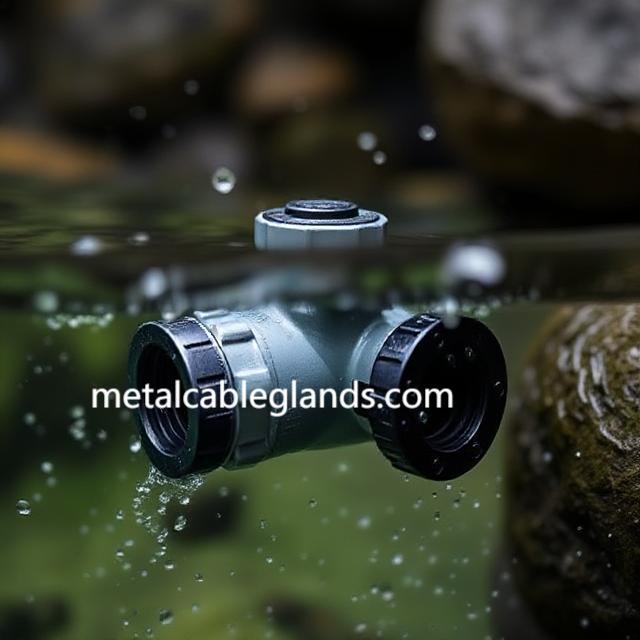
In modern enclosure protection systems, the Waterproof Breathable Valve plays a critical role in balancing internal pressure and external environmental resistance, making it an essential component in sealed electrical and electronic housings. As industries move toward higher integration and more compact device designs, managing moisture, condensation, and air exchange becomes increasingly complex. Zhejiang Hongjuesi Connector Co., Ltd. has focused on developing high-performance venting solutions that combine advanced materials with reliable structural design to address these evolving challenges.
Material selection is the foundation of effective breathable valve performance. High-grade membrane materials are engineered to allow air molecules to pass while blocking liquid water intrusion. This selective permeability enables continuous pressure equalization without compromising enclosure integrity. The durability of these membranes depends on their resistance to environmental stress, including temperature variations, humidity exposure, and airborne contaminants.
Structural housing materials also influence the overall performance of breathable valves. Robust outer shells provide mechanical protection for the internal membrane while maintaining compatibility with various enclosure surfaces. Carefully designed threading and sealing interfaces ensure stable installation, reducing the risk of loosening under vibration or movement. By integrating durable housing materials with advanced membranes, the valve becomes a long-term solution rather than a temporary protective measure.
One of the core functions of breathable valves is preventing condensation buildup. In sealed enclosures, temperature changes can create internal pressure differences, leading to moisture formation. Over time, trapped moisture can affect electronic components, reduce insulation effectiveness, and increase maintenance requirements. Breathable valves allow pressure equalization that minimizes condensation risks, supporting stable system performance.
Beyond moisture management, breathable valves help protect sensitive components from external contaminants. Industrial environments often contain dust, oil mist, or airborne particles that may enter enclosures through weak sealing points. High-quality membrane structures create a barrier against such contaminants while maintaining airflow, contributing to clean internal operating conditions.
Zhejiang Hongjuesi Connector Co., Ltd. integrates material science research into its product development strategy. By understanding how membrane composition interacts with environmental exposure, the company designs valves that maintain consistent performance in diverse application settings. From industrial control cabinets to outdoor lighting systems, material reliability determines the success of breathable venting solutions.
Mechanical stability is equally important. Breathable valves must withstand installation torque, vibration from operating equipment, and long-term environmental exposure without losing sealing integrity. Structural reinforcement within the housing helps maintain alignment between membrane and enclosure surface, ensuring that airflow pathways remain stable over time.
The application range of breathable valves continues to expand. In renewable energy installations, enclosures protect monitoring and conversion equipment exposed to outdoor conditions. In transportation systems, sealed electronic modules operate under constant vibration and environmental fluctuation. In communication infrastructure, cabinets house temperature-sensitive components requiring stable internal conditions. Across these fields, breathable valve performance directly impacts equipment longevity.
As device miniaturization advances, enclosure space becomes more limited, making pressure management even more critical. Compact designs increase the sensitivity of internal components to environmental changes. Integrating breathable valves at the design stage enhances reliability and reduces potential maintenance interventions. Zhejiang Hongjuesi Connector Co., Ltd. works closely with system designers to ensure compatibility between venting solutions and enclosure architecture.
Innovation in membrane technology continues to drive improvements in airflow efficiency and environmental resistance. Research into polymer structures and composite materials has expanded the functional capabilities of breathable valves, allowing them to operate reliably across diverse industrial scenarios. This material-driven approach supports consistent performance without compromising structural protection.
By combining advanced membrane engineering with durable housing construction, Zhejiang Hongjuesi Connector Co., Ltd. enhances the operational stability of enclosure systems using Waterproof Breathable Valve solutions. Further insights into material innovation and venting technology can be explored at https://www.metalcableglands.com/news/industry-news/innovative-material-science-behind-the-nextgeneration-waterproof-breathable-valve.html .

 English
 Arabic
 French
 Spanish
 Portuguese
 Deutsch
 Dutch
Dutch
 Italiano
 Russian
 Romaian
 Portuguese (Brazil)
 Greek
Greek