
Maintaining Quality in Food Thermal Processing
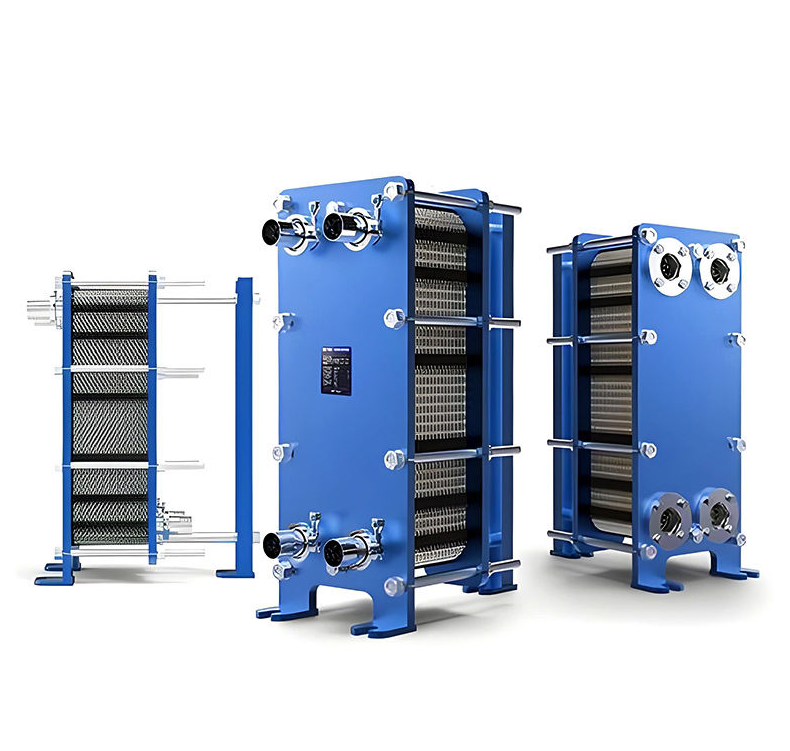
Heat management plays a vital role in the food industry to ensure product safety and consistency. Heat Exchanger is frequently used to rapidly cool or heat liquids such as milk, juices, or sauces, reducing the risk of microbial growth while maintaining flavor and texture. Plate-type Heat Exchangers are particularly common due to their compact design and high heat transfer coefficient, often exceeding 500 W/m²K.
A Thermal Processing Unit in a food production line might operate at temperatures from 60°C to 120°C, depending on the pasteurization or sterilization requirements. Accurate control of temperature and flow rates is critical to avoid overprocessing, which can alter taste or nutrient content. Advanced units often include integrated sensors to continuously monitor thermal performance, ensuring uniform treatment across all batches.
Energy efficiency is another consideration. By using counter-flow Heat Exchangers, heat from outgoing products can preheat incoming raw material, reducing energy consumption by 15–25%. This approach also minimizes thermal stress on equipment and extends the operational life of the system.
Combining reliable Heat Exchangers with carefully controlled Thermal Processing Units allows food manufacturers to maintain product quality, meet safety standards, and reduce operational costs. Understanding both the thermal properties of ingredients and the mechanical characteristics of processing units is essential for achieving consistent results.

 English
 Arabic
 French
 Spanish
 Portuguese
 Deutsch
 Dutch
Dutch
 Italiano
 Russian
 Romaian
 Portuguese (Brazil)
 Greek
Greek